
Explore our corporate site for global insights, innovation, and industry solutions.
Committed to protecting the planet through sustainable operations, innovative solutions and responsible resource management.
63%
reduction in scope 1&2 emissions by 2035 vs 2024 baseline*
37.5%
reduction in scope 3 emissions by 2035 vs 2024 baseline*
Net Zero
greenhouse gas emissions by 2050
30%
reduction in NOx and SOx emissions by 2035 vs 2024 baseline
10%
reduction in process water intensity by 2035 vs 2024 baseline
A
CDP Leadership rating by 2030 for water
5%
reduction in waste disposal intensity by 2035 vs 2024 baseline
100%
packaging with a materiality circularity index >0.94 by 2035 to reduce waste
The world is experiencing increased water stress due to climate change, elevating its status as the most precious resource.
Solenis is a leading global provider of water and hygiene solutions focused on solving tough water treatment and process improvement challenges for our customers. In addition, we also focus on reducing our own water withdrawal, reducing our impact on the water supply in the areas in which we operate. We assess and track our impact on water stressed areas using the World Resources Institute Aqueduct tool.
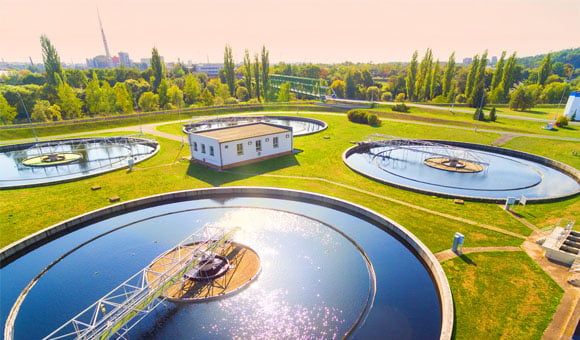
We assess and manage our water risks by reducing our water withdrawal from various sources such as bodies of water, groundwater and wells, and improving our wastewater systems. Our approach includes control measures to monitor and prevent contamination of groundwater; programs to reduce water intake using efficient equipment; eliminating once through cooling systems; reusing or recycling water; and wastewater treatment systems.
Solenis has signed on to the CEO Water Mandate, an initiative that mobilizes business leaders on water, sanitation and elements of water stewardship.

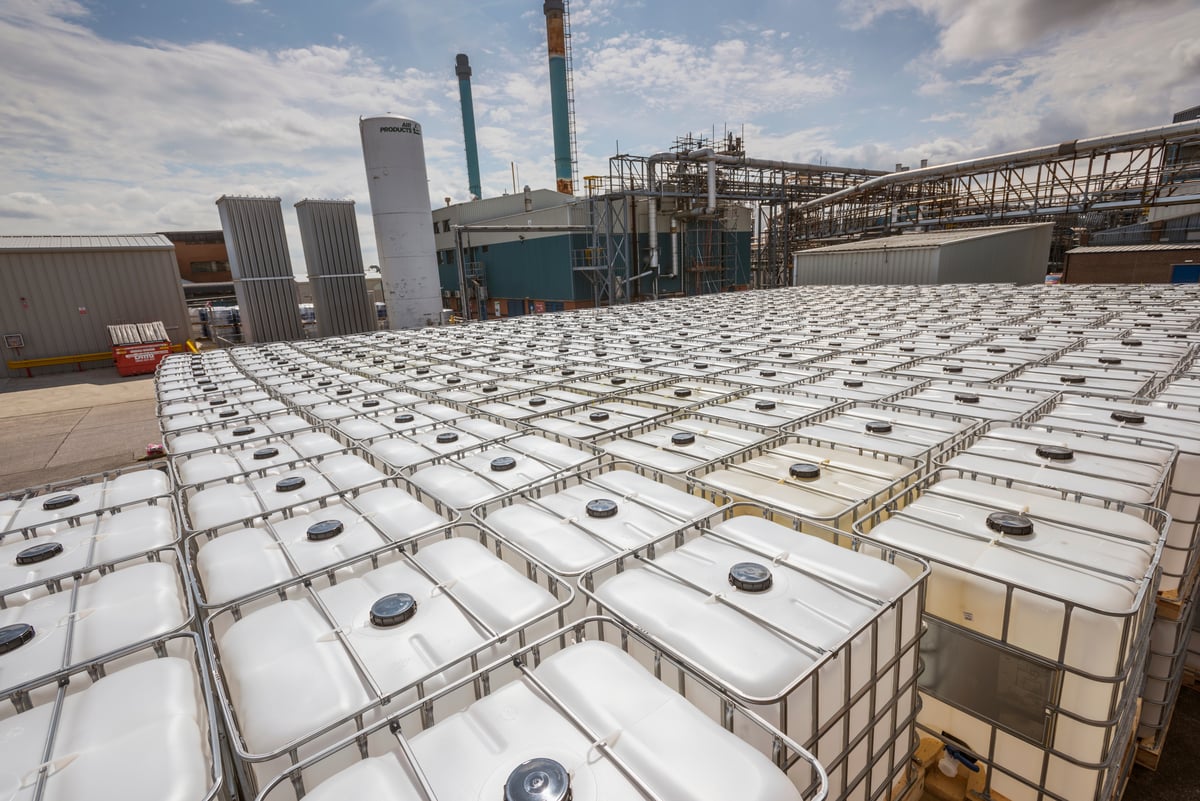
In our manufacturing sites, we have implemented processes to reduce, recycle and reuse materials that potentially can become waste, such as containers, pallets, and solvents. We also aim to minimize the amount of sludge from our wastewater. This reduces disposal volumes and energy needed for transportation. Across all of our sites, we monitor and manage the volume of our waste disposal.
Solenis also delivers superior value by providing solutions to challenges and identifying opportunities to manage natural resources. We help our customers minimize waste and improve their ability to design and manufacture their products in a more environmentally responsible way. We also integrate circular economy principles in our innovations. Solenis continues to increase packaging efficiency and significantly reduce its packaging footprint by designing products for reuse and recycling.
GoalBy 2030, 50% of our innovation programs to reduce carbon footprint of our products.
29%
of innovation projects focused on reducing carbon footprint in FY2025.
GoalBy 2030, 50% of our innovation programs to reduce carbon footprint of our products.
<p>As a key player in the chemical industry, Solenis has a vital role in tackling climate change. That starts with our own operations every day. Solenis is taking actions and managing its impacts by combining energy-related investments with efficient manufacturing best practices as well using renewable raw materials in the design and manufacture of our products. </p> <p>Solenis is a member of the Science Based Target Initiative and has committed to reducing GHG emissions that align with our science-based target. The SBTi is a global body that enables businesses to set ambitious emissions reduction goals in line with the latest research in climate science. </p> <p>In addition to reducing GHG emissions in our operations, we also help our customers meet their decarbonization goals. Solenis offers solutions that can improve the efficiency of our customers' processes and reduce GHG emissions. We also use life cycle assessment to quantify the carbon footprint of our products for our customers Scope 3 estimates. </p> <p>Looking ahead, we are committed to sourcing 80% of our electricity from renewable sources by 2035, and we have begun transitioning our global fleet to hybrid and electric vehicles, focusing first on the 82% of our fleet in Europe and North America. These actions underscore our push to operate more sustainably while significantly reducing greenhouse gas emissions.</p>
29%
of innovation projects focused on reducing carbon footprint in FY2025.
We recognize the importance of biodiversity and are committed to continuous improvement. It is a vital focus for the health of our planet today and for future generations.
Solenis is advancing its global program to reduce, reuse and recycle plastic packaging across the value chain through a company-wide collaboration involving R&D, regulatory and compliance, global procurement, customers and suppliers. This cross-functional approach has already identified, designed and deployed several plastic reduction initiatives. To accelerate progress, the team launched an internal awareness campaign to encourage input and ideas from across the organization.
We also developed a plastic data reporting process to obtain data from our suppliers, starting with the most significant regions to establish a foundation for accurate and transparent disclosure. Our global approach maps plastic material purchases across two key areas: durable goods (primarily linked to our TASKI business) and plastic packaging used throughout the value chain.
As part of this effort, Solenis has set a target for 100% of our packaging to achieve a materiality circularity index greater than 0.94, ensuring that the packaging we use aligns with our circularity and material reduction objectives.
Although the Carbon Disclosure Project (CDP) does not currently score plastic-related data, we are proactively preparing for future assessments. Our goal is to continuously improve reporting quality and scope, progressively including the entire value chain. By consolidating data from multiple regions and suppliers, we aim to create a comprehensive view of plastic usage, strengthen sustainability commitments and meet emerging CDP requirements.